
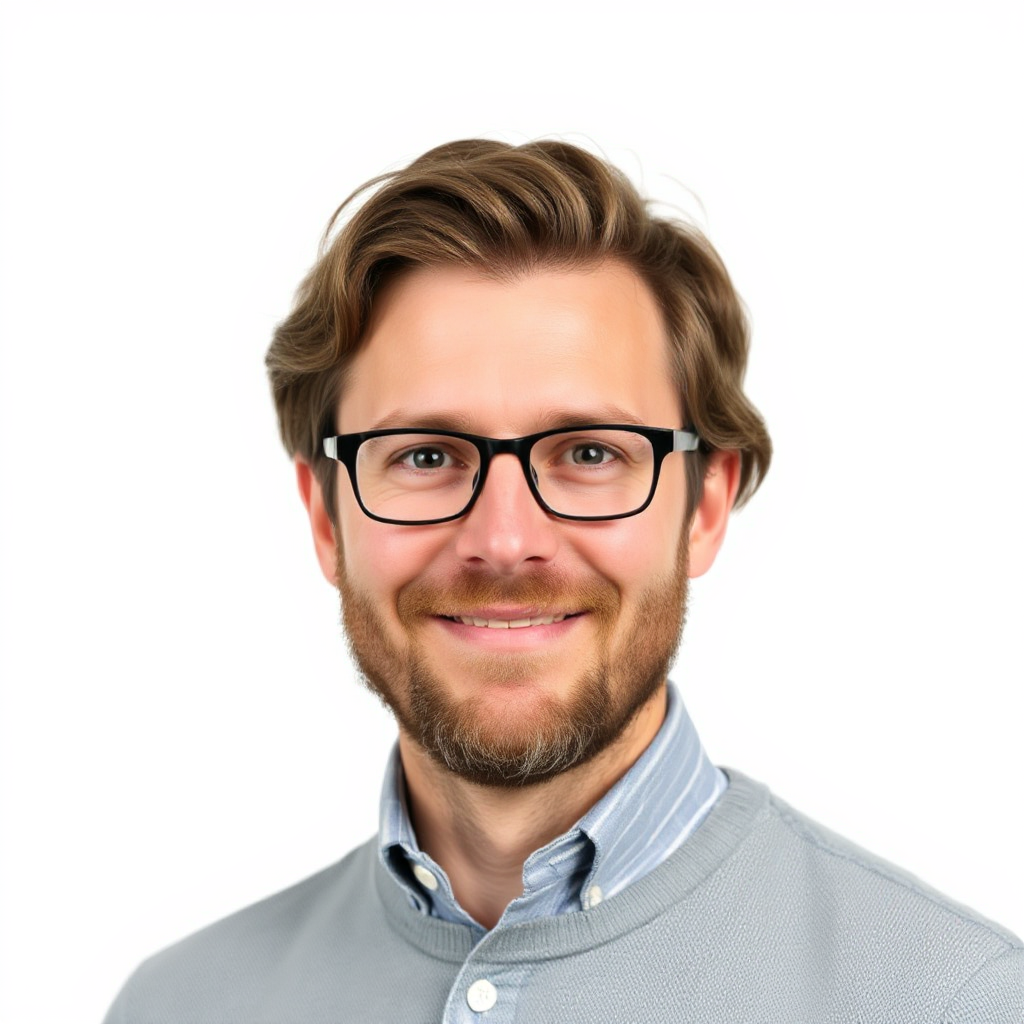
Mohamed Hamdan Dagolo, previously made his fortune dealing in livestock and precious metals. Today, his RSF militia control around 50% of the Sudanese territory.
Seizing Power in Darfur
Hemedti's forces scored a major triumph by overrunning the city of el-Fasher, which was the last remaining military stronghold in the Darfur area.
Hated and dreaded by his adversaries, Hemedti is respected by his loyalists for his ruthlessness and his pledge to overthrow the corrupt state.
Modest Origins
His background is humble. He comes from the Mahariya section of the camel-herding Rizeigat community, an Arab group that straddles Chad and Darfur.
Born around 1974, as is common in remote regions, his exact birth details were never recorded.
Led by his uncle Juma Dagolo, his family moved to Darfur in the 1970s and 80s, fleeing conflict and seeking better opportunities.
Early Career
After leaving school in his early teens, Hemedti started making money by trading camels across the Sahara to neighboring countries.
At that time, Darfur was a lawless frontier—poor, neglected by the regime of then-President Bashir.
Local armed groups known as the Janjaweed raided villages of the native Fur communities, triggering a full-scale rebellion in 2003.
Ascendancy Amid Conflict
As a countermeasure, Bashir greatly enlarged the Janjaweed to lead his counter-insurgency campaign. They quickly gained notoriety for widespread atrocities.
Hemedti's force was among them, accused in destroying the village of Adwah in November 2004, claiming the lives of 126 people, among them 36 children.
A US investigation concluded that the Janjaweed were responsible for genocide.
Strategic Maneuvering
In the years following the height of violence in 2004, Hemedti skillfully navigated his rise to become leader of a influential militia, a corporate empire, and a political organization.
At one point he rebelled, requesting back-pay for his soldiers, advancements, and a political position for his brother. Bashir granted most of his demands.
Subsequently, when other Janjaweed units mutinied, Hemedti commanded government forces that defeated them, gaining control Darfur's largest artisanal gold mine at Jebel Amir.
Rapidly, his business venture al-Gunaid became Sudan's largest gold exporter.
Formalizing Power
By 2013, Hemedti asked for and received formal status as head of the newly formed Rapid Support Forces, answering only to Bashir.
Former militiamen were absorbed into the RSF, receiving new uniforms, vehicles, and weapons.
Regional Ambitions
The RSF fought in Darfur, performed less successfully in the Nuba Mountains, and accepted a contract to guard the Libyan frontier.
Supposedly stopping illegal crossings, Hemedti's officers also excelled at extortion and people-trafficking.
By 2015, Saudi Arabia and the UAE requested Sudanese troops for the Yemen conflict. Hemedti negotiated a separate deal to provide RSF mercenaries.
His ties with the UAE proved highly significant, beginning a close relationship with UAE officials.
Growing Power
Recruits flocked to RSF enlistment offices for signing bonuses of up to six thousand dollars.
Hemedti formed an alliance with Russia's Wagner Group, receiving training in exchange for business arrangements, including in gold.
He visited Moscow occurred on the day of the invasion of Ukraine.
Turning on Allies
As protests grew, Bashir ordered Hemedti's units to the city of Khartoum, nicknaming him himayti.
It was a miscalculation. In April 2019, when protesters called for change, Bashir ordered the army to open fire. Instead, the generals overthrew him.
Initially, Hemedti was celebrated as a new leader for Sudan. He attempted to rebrand, but this was short-lived.
Return to Violence
As the transition stalled, Hemedti unleashed the RSF, which killed hundreds, assaulted females, and reportedly executed men in the Nile.
Hemedti has rejected that the RSF committed atrocities.
Under foreign pressure, the generals and civilians agreed to a compromise, leading to an unstable coexistence for several years.
Ongoing War
As an investigation began examining military-owned companies, Burhan and Hemedti ousted the government and seized power.
However, they disagreed. Burhan insisted the RSF come under army command. Hemedti resisted.
In April 2023, RSF units moved to surround strategic locations in the capital. The attempted putsch was unsuccessful, and fighting erupted across the city.
Conflict intensified in Darfur, with the RSF launching brutal attacks against the Masalit community.
The UN estimates thousands of casualties, with the US describing it ethnic cleansing.
Current Status
Hemedti's forces obtained advanced arms, including sophisticated drones, deployed against Burhan's stronghold and crucial in the assault on al-Fasher.
With this weaponry, the RSF is in a deadlock with the national military.
Hemedti has formed a rival administration, the so-called unity government, appointing himself leader.
After taking al-Fasher, the RSF now controls almost all inhabited territory in western Sudan.
Following reports of mass killings, Hemedti declared an investigation into violations perpetrated by his soldiers.
Sudanese speculate Hemedti sees himself as president of a breakaway state or still aims to control the entire country.
It's also possible, he may become a behind-the-scenes power broker, commanding a vast network of interests.
While Hemedti's forces commit violence in el-Fasher, he appears confident of impunity in a global community that overlooks.


